
The Best Way to Provide Pads & Tampons at your Workplace (2026 Guide)

Updated: Aug 11
As companies continue to navigate hybrid work and rising expectations for workplace experience, one core question has emerged:
How do we make the office a place people want to come to, and stay in, every day?
Part of the answer is increasingly simple but impactful:
Meet basic human needs consistently and thoughtfully.
In 2026, providing pads and tampons at work is no longer seen as a “perk.” It’s part of making the office feel functional, modern, supportive, and worth the commute.
The best programs don’t require employees to pay, ask, or search. They’re simple to access, easy for facilities teams to maintain, and aligned with broader efforts to improve workplace experience.
This guide walks through what the modern standard looks like and how to implement a system that works.
Quick Answer
The best way to provide pads and tampons at work is to make them free, place them where employees actually need them (inside the stall, just like toilet paper), and use a system that’s easy to maintain so the program stays consistently stocked over time.
What the Best Workplace Programs Do (and Why)
1) Make products free
If employees have to pay, ask, or “request,” the program won’t work the way it’s intended.
In 2026, the expectation is shifting toward period products being provided like:
toilet paper
soap
paper towels
Not a vending machine purchase.
2) Put products where the need happens
The most common setup is a basket by the sink or a bulky machine in the common area. Can we take a moment and imagine if toilet paper were provided this way? Ridiculous, right?
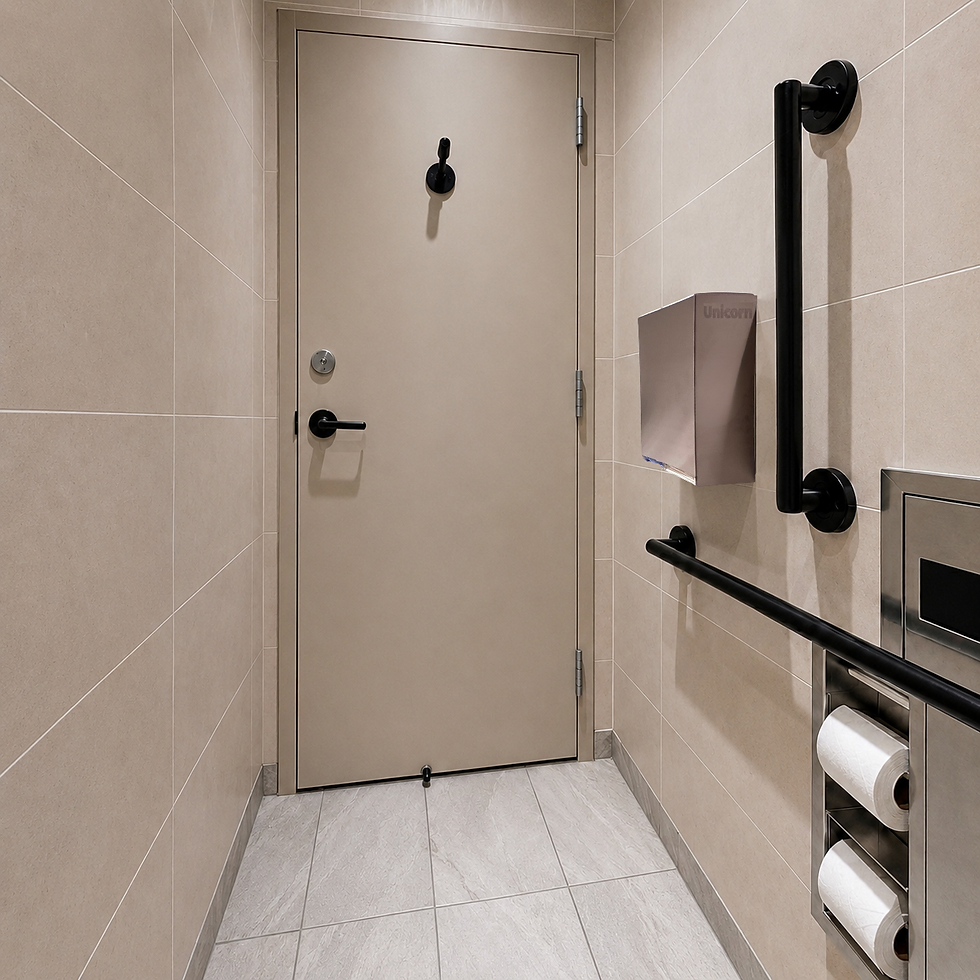
The most effective setup is inside the stall.
In-stall access supports:
privacy
consistency
fewer awkward moments
better employee experience
3) Choose a system facilities can actually sustain
Most workplace programs don’t fail because leadership stops caring.
They fail because the setup creates:
too much refill time
inconsistent stocking
too much excess packaging
The best systems are designed for speed, cleanliness, and predictable maintenance.
4) Make “always available” the standard
A program that’s available “sometimes” is worse than not having one. A jammed machine or an empty basket doesn’t just create a frustrating moment, it quietly signals something bigger about the workplace.
Employees don’t remember the day everything was fine. They remember the day they needed something and it wasn’t there.
Common Mistakes (That Make Programs Fail)
Treating period care as a one-time initiative instead of a standard
Relying on baskets in high-traffic restrooms
Relying on outdated systems (yes, the big metal machines)
Not aligning on restocking ownership
Choosing a setup that adds labor or creates waste
Under-ordering and creating early stockouts
Final Takeaway
The best way to provide pads and tampons at work is simple:
Make them free.
Place them where they're needed.
Use a system that stays stocked without adding excess work.
In 2026, this isn’t just a restroom decision, it is part of creating a workplace that feels modern, functional, and worth showing up for.
FAQ
Should pads and tampons be free at work?
Should toilet paper be free at work?
So, yes. In 2026, most modern workplace programs treat period products like basic restroom essentials.
Where should period products be placed in a workplace restroom?
Where should toilet paper be placed? Inside the stall is the most effective placement for privacy and consistency.
Are baskets a good solution?
They’re easy to start, but often break down in high-traffic environments. They get wet, they aren’t where products are actually needed, and they can give off an “afterthought” vibe.
What's the best alternative to the big metal vending machines?
A free, modern dispensing system that’s designed for consistent stocking. Legacy vending machines often jam, run empty, or create friction in the exact moment someone needs the product.
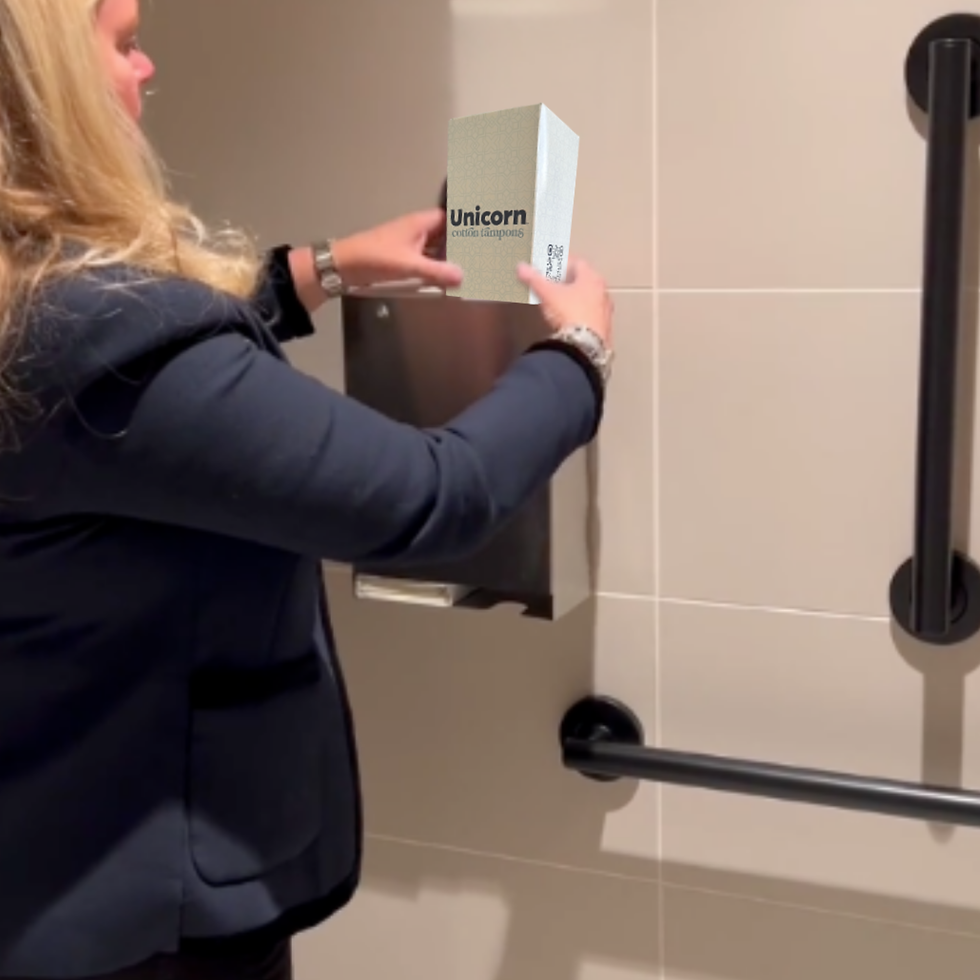
Want to learn more about what a modern, in-stall period care program can look like in your workplace? Reach out to Lindsay at lindsay@everystall.com.

Comments