
What makes a workplace period product program easy to maintain?

For facilities teams, it usually comes down to one thing:
reducing the number of extra steps required to keep it running.
Providing free pads and tampons at work sounds simple. But the system behind them can determine whether the program stays easy or becomes another maintenance headache.
A few things I’d look for:
Fast refills. Can someone replenish the dispenser in seconds, or does it require opening compartments and loading products individually?
Enough capacity. Small-capacity systems need attention more often.
No complicated mechanisms. Fewer moving parts can mean fewer opportunities for jams, breakage, or service calls.
Simple inventory. Standardized refill cartridges make it easier to know what to order, store, and send to different locations.
Easy installation. Expanding a program shouldn’t require a major facilities project.
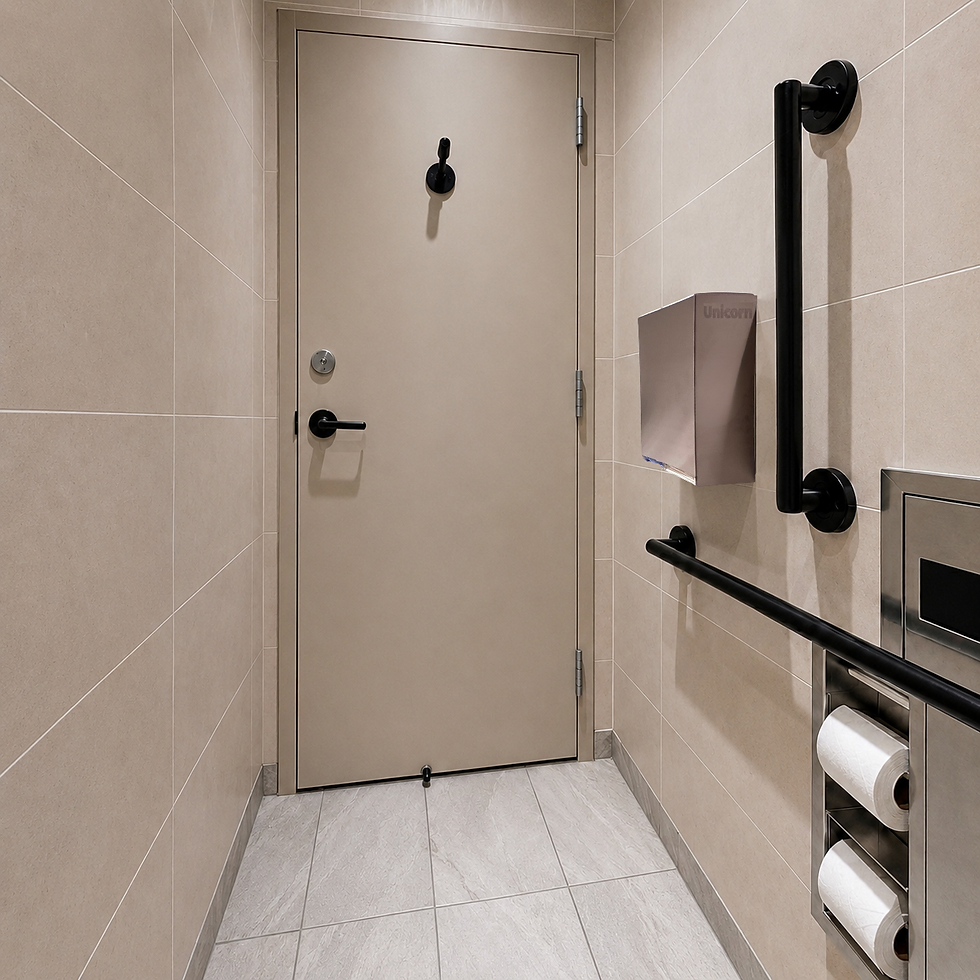
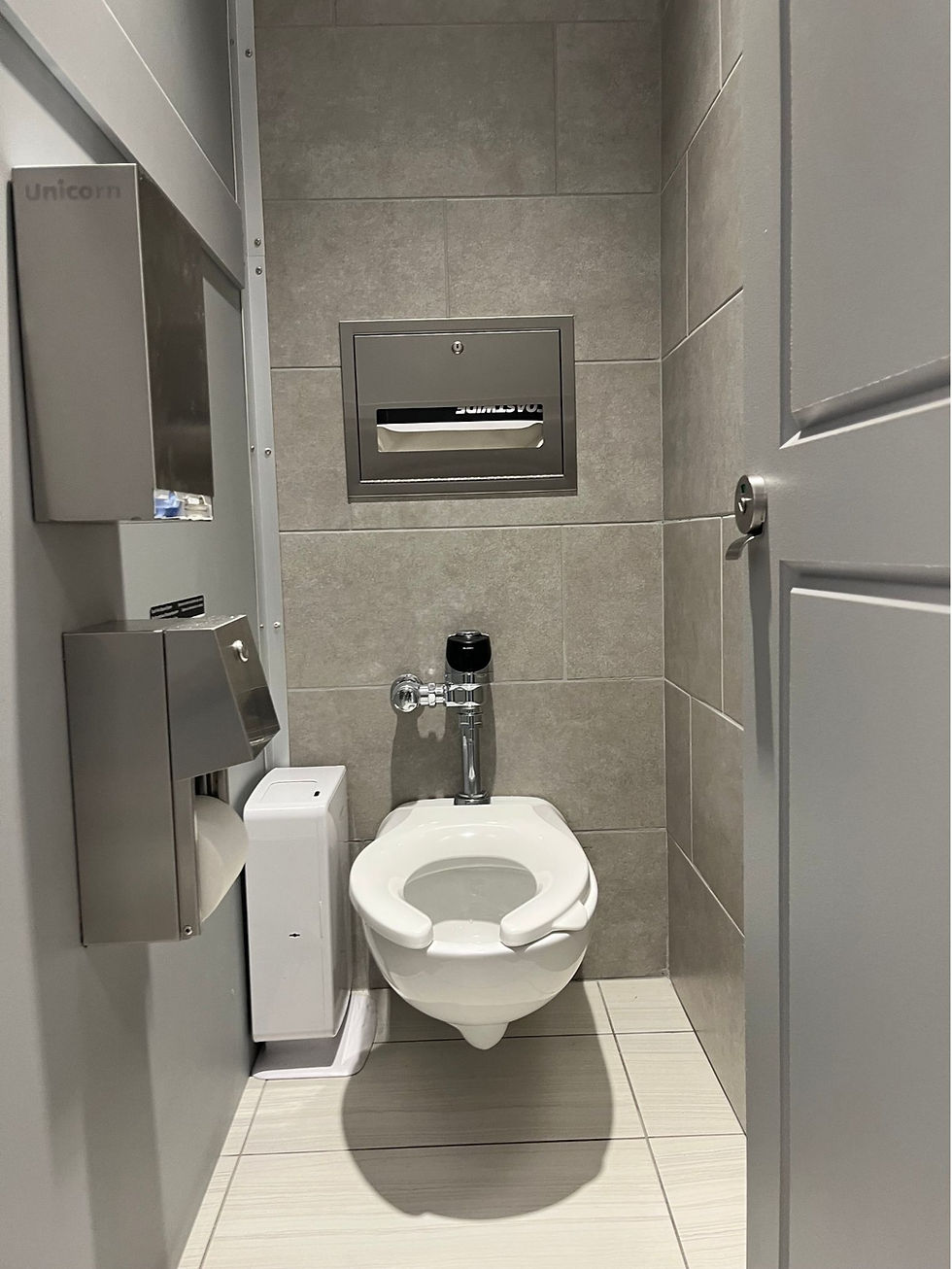
Placement that works with the cleaning route. If products are inside the stall, they can be checked while the stall is already being serviced.
Products people actually want to use. A dispenser only solves part of the problem. Product quality matters too.
At scale, small operational differences add up quickly.
A few extra minutes spent servicing one restroom might not sound significant.
Multiply that across dozens, hundreds, or thousands of stalls, and suddenly dispenser design becomes a facilities decision.
That’s why UNICORN was designed around simplicity: high-capacity cartridges, fast refills, no complicated dispensing mechanisms, and products available directly inside the stall.
Free period products should be easy for employees to access.
They should also be easy for facilities teams to maintain.

Comments